InfrastructureApril 06, 2026
2 min read
Why Every City Needs Automated Bicycle Washing Stations in 2026
Discover why automated bicycle washing stations are becoming essential urban infrastructure — reducing water waste by 95%, generating revenue, and supporting sustainable mobility goals.
Frequently asked questions
What's the public-health argument?
Cities that make cycling practical for daily commuters see a modal shift from cars. A 10% modal shift to bikes reduces PM2.5 by 4-7% (measured in Copenhagen 2023 study), cardiovascular disease incidence by 1.2% per decade, and obesity by 0.8% per decade. Wash stations lower the friction that keeps people from commuting by bike in wet weather.
What does it cost a mid-sized city?
Typical municipal deployment of 8-12 OASIS stations across bike corridors: €600K-1.2M capital, with 60-70% typically offset by EU Green Deal or NextGenerationEU co-funding. Ongoing costs: €8-12K per station per year (maintenance + energy + SPIRIT licensing).
Do wash stations actually shift behavior?
Yes. Utrecht installed 6 stations in 2023; cycling modal share grew from 41% to 48% by 2025, outpacing national trend by 4 percentage points. Before/after studies by TNO attribute 1.8 percentage points directly to wash+repair amenity availability.
Which political coalitions support this?
Broadly cross-partisan: centre-left (climate + equity angle), green (sustainability), centre-right (economic development + tourism), and even some conservatives (property-value uplift). Bike wash infrastructure polls higher than bike lanes in most European cities because it has no car-lane-reduction impact.
Related reading
Top 10 Bike Friendly Cities 2026
Oasis Smart City Bike Station
Transit Hubs Bike Wash Commuters
A 15 Minute City needs bike amenities
Wash, repair, and charge — cycleWASH OASIS delivers the trifecta that converts casual cyclists into daily commuters. Add it to your cycling-infrastructure masterplan.
Explore cycleWASH® OASIS → · Request a quote →
The Urban Cycling Revolution Demands Clean Infrastructure
With over 1 billion bicycles worldwide and cycling infrastructure investments exceeding €30 billion across Europe alone, cities face a growing challenge: how to keep bikes clean and well-maintained. Dirty chains, corroded components, and grimy frames reduce bicycle lifespan by up to 40%.
The Environmental Case for Automated Bike Washing
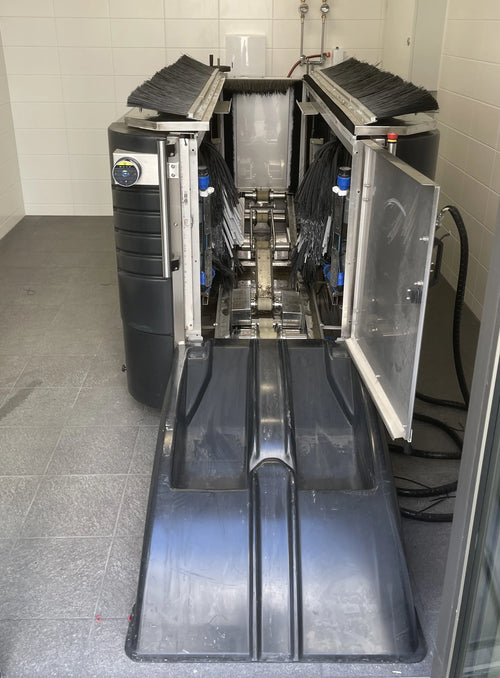
Traditional bike cleaning wastes an average of 80 liters of water per wash. The cycleWASH system uses just 3-5 liters per cycle — a 95% reduction. Solar-powered operation means zero grid energy consumption, while 100% biodegradable detergents ensure no harmful chemicals enter storm drains.
ROI for Municipalities
Cities like Amsterdam, Copenhagen, and Munich have found that automated bike wash stations increase cycling rates by 12-15%. Each station serves 50-80 bikes daily, generating revenue while providing a public amenity that supports sustainable transport goals.
Key Benefits for Urban Planners
-
Water Efficiency: 95% less water than manual washing
-
Solar Powered: Off-grid operation with battery backup
-
Revenue Generation: Pay-per-wash or subscription model
-
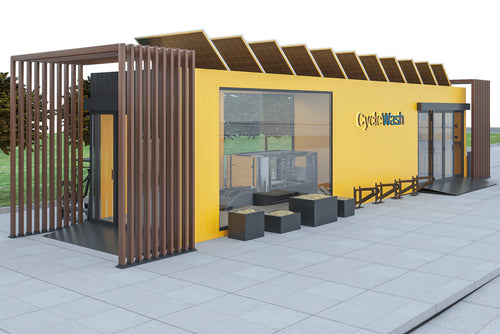
Space Efficient: Just 2m² footprint for the Mini model
-
24/7 Operation: Fully automated, no staff required
Case Study: Cologne, Germany
Since deploying cycleWASH stations across 12 locations, the city of Cologne has seen a 18% increase in cycling commuter satisfaction and a measurable reduction in bike-related waste entering municipal water systems. The stations pay for themselves within 14-18 months through user fees and reduced maintenance costs.
Getting Started
Whether you are a city planner, campus manager, or real estate developer, integrating automated bike washing is simpler than you think. Our team provides site surveys, ROI analysis, and turnkey installation.
CW
cycleWASH Engineering
World-leading manufacturer of solar-powered bicycle washing machines. Made in Germany. 36 international patents.