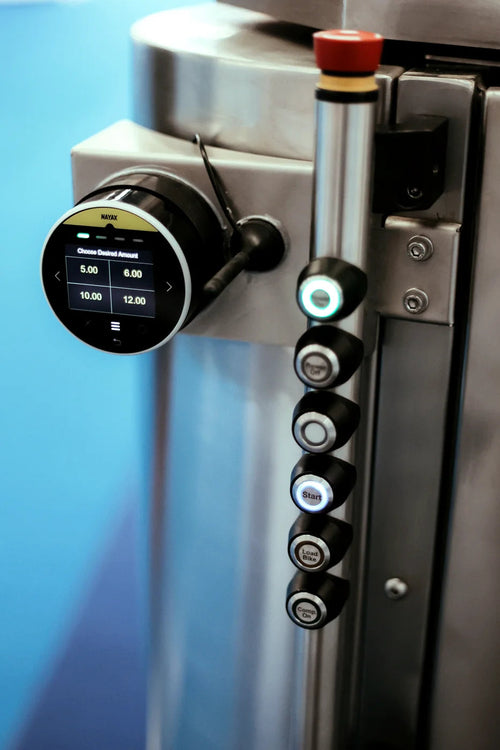
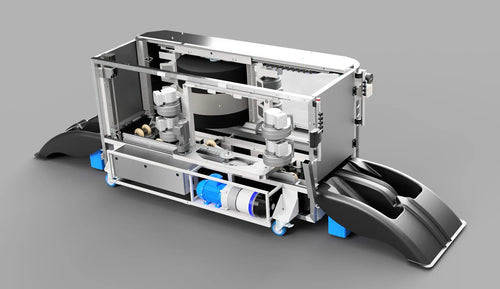
To start a bike wash business, you need three things: reliable washing equipment, a location with bike traffic, and a clear path to payback. cycleWASH supplies the first. We build professional bicycle washing machines — Made in Germany, DEKRA/CE certified — that turn an unattended forecourt, retail lot, or service point into a paid, self-operating wash station. This guide walks through the practical steps, the equipment options, and the numbers, so you can decide whether a bike-wash operation fits your site and budget.
Why bike washing is a viable business
Demand is structural, not seasonal hype. E-bikes, cargo bikes, and commuter fleets need regular cleaning, and most owners have no good way to do it at home. cycleWASH has roughly ten years in the market, with 350+ units sold across 24+ countries and more than 1 million bikes washed. The technology is protected by 24 granted patents; in all, cycleWASH holds 35 granted IP rights. That track record matters when you are committing capital to a fixed asset.
Step 1 — Confirm the location
Footfall decides everything. Strong sites include bike shops, gas stations, supermarkets, fitness clubs, tourism hubs, municipal cycle paths, and campsites. You want consistent bike traffic and space for a self-service unit plus a vehicle to approach it. A mobile or semi-mobile setup lets you test a pitch, relocate if it underperforms, and follow seasonal demand.
Step 2 — Choose the equipment
cycleWASH offers a tiered range so you can match spend to site:
- Mini Station — EUR 17,500. The entry point. The lowest-cost way to place a wash unit and validate a location before scaling. See the Mini Station for specifications.
- Mini Basic — EUR 25,990. A step up in capability for higher-traffic sites.
- Mini Platinum — EUR 29,990. The top Mini configuration.
- Pro — from EUR 45,000. Higher-throughput professional washing for established, high-volume operations.
Beyond the wash machines, the range includes LuftWASH (drying) and Care products for resale or post-wash treatment. Start small, prove the model, then expand the line.
Step 3 — Run the numbers
This is where most plans succeed or fail. Typical payback on a cycleWASH unit is 15 to 26 months, depending on location, pricing per wash, and utilisation. cycleWASH sells outright at the list price, ex works Cologne. Payment: online orders are paid in full at checkout; orders placed by quote or purchase order pay two-thirds with the order and the remaining third before delivery. From stock where available; otherwise ready 3 weeks after the order payment is received. The purchase price is earned back from wash revenue within that payback window, which is why sizing the unit to your site matters more than the headline price.
Before you commit, model your own site. Enter your expected wash volume and price into the ROI calculator to see a realistic payback window for your specific location. Run conservative and optimistic cases — and size the equipment to the lower one.
Step 4 — Operate and scale
A self-service unit runs largely unattended: customers pay, wash, and leave. Your ongoing work is restocking Care products, routine maintenance, and monitoring revenue per site. Once a location clears its payback, the proven approach is to add units at new high-traffic sites and build a small network. Standardised, certified equipment keeps that rollout predictable.
How do I start a bike washing business?
Pick a high-traffic location, choose a cycleWASH unit sized to that site, confirm payback with the ROI calculator, and buy the unit outright so wash revenue recovers the cost within the typical 15–26 month payback. Begin with one Mini Station to validate the pitch, then expand. The equipment is certified, self-operating, and built for unattended commercial use.
Get started
Review the Mini Station as your entry point, run your figures through the ROI calculator, and contact CW Cleaning Solutions GmbH in Köln to confirm availability and lead time for your site.